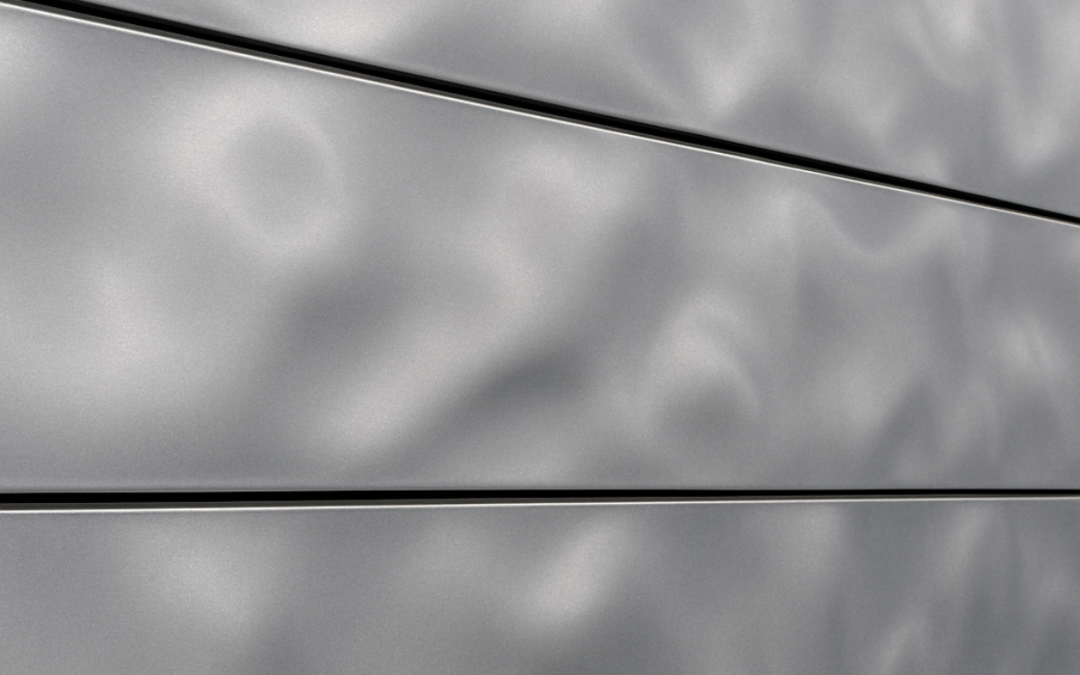
Oil canning is a common concern with metal wall panels. While it doesn’t affect performance or structural integrity, it can create visible waviness or buckling in the flat areas of metal panels. This detracts from the clean, modern appearance these panels are known for. The good news is that with careful planning, proper design choices, and correct installation techniques, oil canning can be minimized or even prevented.
What Causes Oil Canning?
Oil canning is typically caused by stress within the metal wall panel, which can come from several sources:
- Thermal expansion and contraction as panels heat up and cool down
- Fabrication processes like rolling, cutting, or forming
- Improper installation practices such as over-tightening fasteners
- Substrate issues like uneven framing or surfaces beneath the panels
- Panel width and flatness, since wider and flatter panels are more prone to showing distortion
Tips to Prevent Oil Canning
1. Choose the Right Panel Profile
Selecting a wall panel profile with ribs, striations, or pencil beads helps break up flat surfaces, making any distortion less visible. Flat, wide panels may look sleek but are much more susceptible to oil canning.
2. Use Thicker Gauge Metal
Thicker metal wall panels are more rigid and less likely to show waviness. While thinner gauges may be less expensive, investing in heavier material can pay off in aesthetics and longevity.
3. Consider Finish and Color
Highly reflective finishes, such as bright metallics or glossy paints, can exaggerate oil canning. Matte or textured coatings, as well as darker colors, reduce visibility.
4. Ensure Proper Substrate and Framing
Metal panels require an even substrate to lay flat. If the wall system has irregularities, adjustments should be made before panel installation. Straight, plumb framing reduces stress on panels and helps maintain their appearance.
5. Don’t Over-Tighten Fasteners
Fasteners should hold panels securely without restricting natural expansion and contraction. Over-tightening can force stress points into the metal wall panel, leading to distortion.
6. Allow for Thermal Movement
Metal expands and contracts with temperature changes. Properly designed attachment systems, clips, and fastener placement allow panels to move freely without buckling.
7. Work with an Experienced Manufacturer and Installer
Partnering with a trusted metal wall panel manufacturer and experienced installers ensures that panels are fabricated correctly and installed with best practices in mind.
Conclusion
Oil canning may be a common challenge in metal wall panel systems, but with the right choices in design, materials, and installation, it can be effectively minimized. By considering panel profile, gauge, finish, and installation practices, you can achieve the sleek, modern look architectural metal panels are meant to deliver.
At TitanTek, we engineer our architectural metal panels with precision and provide expert guidance to help you prevent issues like oil canning. Contact us today to learn more about our products and installation recommendations for your next project.
RELATED POST
The Benefits of Wood Louvers in Architectural Design
Architectural design is a careful balance of form, function, and sustainability. Among the many...
The Advantages of Metal Wall Panels in Modern Architecture
In modern architecture, wall panels are more than just a protective covering - they're an integral...